

Modern kitchens are expected to deliver food quickly without compromising texture, presentation, or consistency. This is particularly important in dessert preparation, where small differences in aeration, temperature, and timing can change the final result. Restaurants, cafés, bakeries, catering teams, and home cooks therefore look for tools that can make repetitive preparation more reliable.
Cream chargers have become one such tool. When used appropriately for culinary applications, they can help prepare whipped toppings, dessert components, foams, and other aerated mixtures with less manual effort. Their value is not simply about speed. They can also help kitchens maintain a more consistent standard when producing the same item several times during a busy service.
Why Consistency Matters in Dessert Preparation
Customers generally expect a dessert to look and taste the same each time they order it. A whipped topping that is firm during one service but loose during another can affect presentation and the overall eating experience.
Traditional hand-whipping can work well, but the final result may depend heavily on timing and technique. Overmixing can create an undesirable texture, while undermixing may leave the cream too soft. Equipment designed for controlled aeration helps reduce some of that variation.
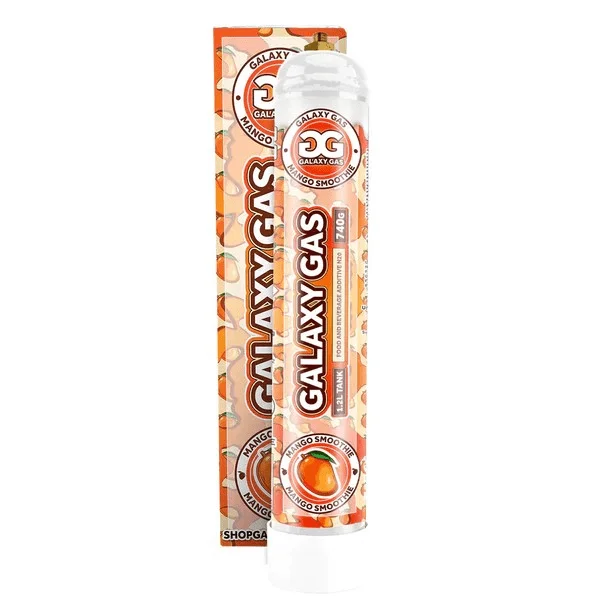
Culinary products such as galaxy gas are associated with cream-charger applications where controlled gas is used as part of food preparation. In a properly designed whipping system, the objective is to create an even texture while reducing the amount of manual mixing required.
Faster Preparation During Busy Service
Speed becomes especially important when kitchens are handling several orders at once. A pastry station may need whipped cream for cakes, beverages, pancakes, waffles, fruit dishes, or plated desserts throughout the day.
Preparing every portion from the beginning can interrupt workflow. A suitable cream-dispensing setup allows a kitchen team to prepare a mixture in advance and dispense it when required, depending on the recipe and applicable food-storage practices.
This approach may be particularly useful for cafés and catering operations where the same topping is needed repeatedly. Instead of stopping to whisk another small batch, staff can focus on plating, garnishing, and serving customers efficiently.
Creating Better Presentation
Desserts are strongly influenced by appearance. A neat swirl of whipped cream can make a simple dish look more polished, while an uneven topping can make an otherwise carefully prepared dessert appear unfinished.
Cream dispensers can give kitchen teams greater control over portion size and presentation. Different dispensing techniques can be used to create smooth rosettes, peaks, or decorative finishes.
This can be useful for desserts served in transparent glasses, where each layer remains visible, as well as for cakes, pastries, waffles, hot drinks, milkshakes, and fruit-based dishes. Consistent portions may also help reduce unnecessary waste.
Expanding Beyond Traditional Whipped Cream
Cream chargers are often associated with classic whipped cream, but professional culinary use can extend to other aerated recipes as well. Depending on the ingredients and recipe, chefs may experiment with flavored creams, light sauces, dessert foams, or mousse-style components.
An option such as Exotic whip can therefore fit within a broader culinary setup where cream-charger products are used for food preparation. The important factor is matching the equipment and ingredients to an appropriate culinary purpose.
Flavor can also be incorporated directly into a cream mixture. Vanilla, cocoa, coffee, fruit preparations, or selected syrups may be used according to the recipe, allowing kitchens to create toppings that complement individual desserts rather than relying on one standard flavor.
Supporting Portion Control and Reducing Waste
Controlling portions is important for both presentation and food cost. When cream is spooned or manually piped onto desserts, different staff members may use noticeably different quantities.
A dispensing system can make portions easier to standardize. Once the kitchen decides on the appropriate amount for a dish, staff can reproduce a similar serving more consistently.
Better portion control can also make stock planning easier. When ingredients are used predictably, managers have a clearer idea of how much cream and other supplies are required during a typical week.
Safe Handling Should Remain a Priority
Any pressurized culinary product must be handled according to its manufacturer’s instructions. Cream chargers and compatible equipment should be stored appropriately, kept away from excessive heat, and used only with equipment designed for the intended culinary application.
Kitchen teams should also follow normal food-safety procedures. Ingredients requiring refrigeration should remain properly chilled, equipment should be cleaned according to its instructions, and prepared mixtures should not be kept beyond appropriate storage periods. Responsible handling protects both the user and the quality of the finished food.
Conclusion
Cream chargers can be useful tools for kitchens that regularly prepare whipped toppings and aerated dessert components. Their main advantages include faster preparation, more consistent texture, controlled presentation, and improved portion management.
They are most valuable when treated as part of a complete culinary process rather than as a shortcut for good technique. Quality ingredients, correct temperatures, proper equipment, responsible handling, and careful recipe development still determine the final result. When these elements work together, kitchens can produce attractive desserts more efficiently while maintaining the consistency customers expect.