

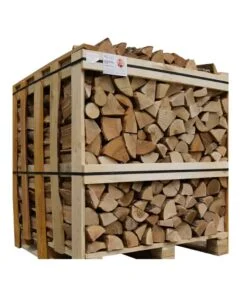
Not every household uses a stove in the same way, which means the right firewood choice can depend heavily on how often the appliance is lit. Some people use a stove only on cold evenings, while others rely on it as a regular part of their winter heating routine. These different habits affect how much fuel is needed, how it should be stored, and which format is most practical. Matching fuel choices to actual usage can make heating simpler and help prevent unnecessary waste.
Occasional Use Needs Flexibility
For households that light a stove only now and then, convenience is usually more important than keeping a very large fuel supply. A smaller quantity of dry logs may be easier to manage because it takes up less storage space and is less likely to remain unused for long periods. It also gives homeowners the freedom to purchase more only when needed.
Occasional users should still store fuel carefully. Even a modest supply can absorb moisture if left exposed to rain or placed directly on a damp floor.
Regular Heating Requires Better Planning
Homes that use a stove most days during winter need a more organised approach. Regular heating means fuel is consumed steadily, so running out unexpectedly can become inconvenient. It makes sense to estimate typical weekly use and keep enough stock available to cover colder periods.
Storage also becomes more important when larger quantities are involved. Logs should be arranged so that older stock can be used first, while fresh deliveries are kept separately.
A simple system helps prevent fuel from becoming forgotten at the back of the storage area.
Choose Fuel to Match the Appliance
The type of appliance should always guide the fuel decision. Traditional wood-burning stoves are designed for logs, while pellet-burning appliances need a consistent manufactured fuel. Using the correct fuel supports cleaner operation and helps the system work as intended.
For suitable equipment, wood pellets can be practical for households that want a more controlled and regular heating routine. Their uniform size makes them easier to feed through systems designed for automated or semi-automated operation.
The appliance manual should always be checked before switching fuel type.
Think About Daily Handling
Fuel choice also affects how much work is involved every day. Logs need to be carried, stacked, and loaded manually. For some households, that is part of the appeal of using a stove. Others may prefer a fuel format that requires less direct handling.
If a household uses heating fuel every day, even small differences in storage and handling can add up over the season.
Keeping fuel close enough to the house for easy access, without sacrificing dryness or ventilation, can make daily use more comfortable.
Keep Storage Proportionate
Storage should suit the amount of fuel being used. An occasional stove user may need only a compact log store, while a household relying heavily on wood heating may benefit from a larger, more structured storage area.
The same principle applies to bagged fuels. Buying more than can be kept dry creates unnecessary risk, especially if bags are placed in spaces affected by leaks or condensation.
Good storage is not about having the biggest possible area. It is about keeping the amount of fuel you realistically need in suitable condition.
Track What You Actually Burn
One of the easiest ways to improve future fuel planning is to keep a rough record of usage. There is no need for detailed spreadsheets. Simply noting how quickly a stack of logs or a group of fuel bags is used can provide useful information.
After a few weeks, homeowners often gain a clearer idea of whether they are buying too much, too little, or about the right amount.
This can make future orders more accurate and reduce the temptation to overbuy before winter.
Adjust as the Season Changes
Heating habits rarely stay the same from autumn through spring.
A stove may be used occasionally in early autumn, daily during a cold January, and less frequently again as temperatures rise.
Fuel planning should reflect these changes. Rather than treating winter as one fixed period, it can be more practical to adjust orders and storage levels as weather and usage patterns change.
This flexible approach helps households avoid both shortages and unnecessary leftover stock.
Conclusion
The best wood fuel plan is one that reflects how a household actually heats its home. Occasional stove users benefit from flexibility and smaller supplies, while regular users need more structured storage and reliable stock levels. By matching fuel type, quantity, and handling routines to real household habits, homeowners can make winter heating easier to manage, reduce avoidable waste, and keep their stove or compatible heating system ready when warmth is needed most.